Since 2022 I have managed and scaled more than 35 online stores on Shopify, WooCommerce, eBay and Walmart for sellers in Pakistan, the USA, the UK and Germany. Across those stores, revenue grew by roughly 25–60% — not because of a secret app, but because of a handful of boring, reliable changes done well.
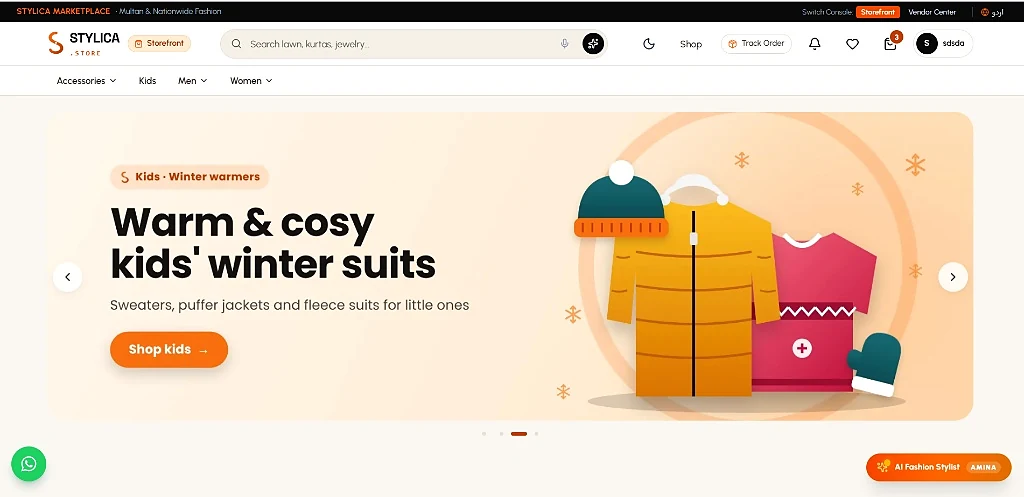
Here they are, illustrated with Stylica, a Pakistani fashion store I built for web and mobile — it is live at stylica.store.
1. Fix the catalogue structure first
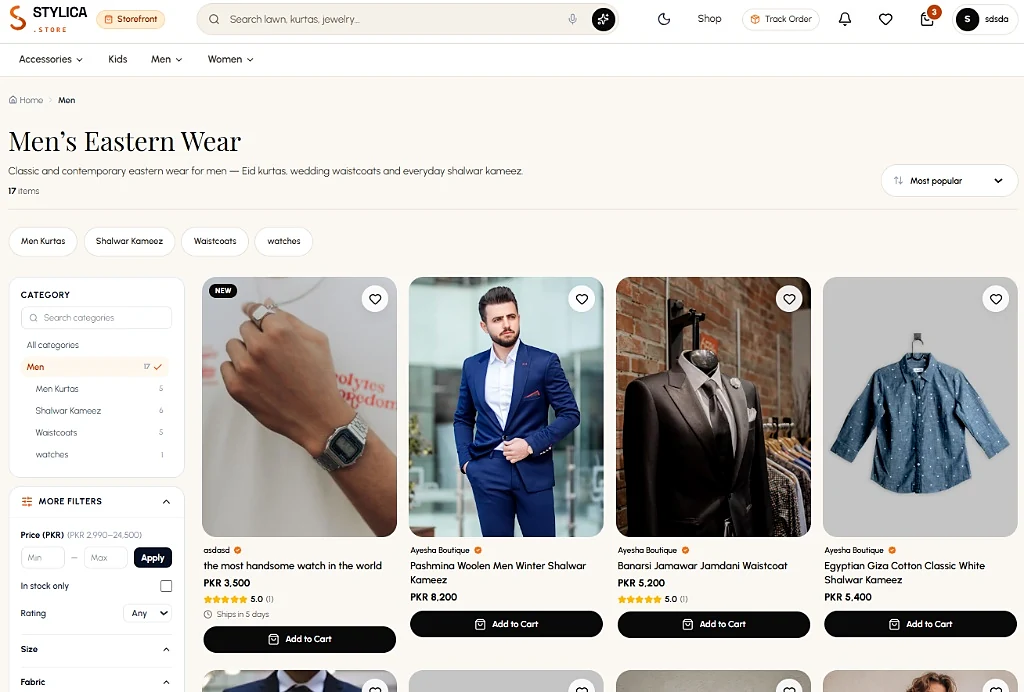
Before writing a single product description, I map how customers actually shop. For a clothing store that is gender → category → occasion, not the supplier’s SKU list. Every collection gets a clear name people search for (“Men’s Eastern Wear”, “Kids Winter Suits”), its own short intro text and useful filters for size, colour and price.
2. Product pages that answer every question
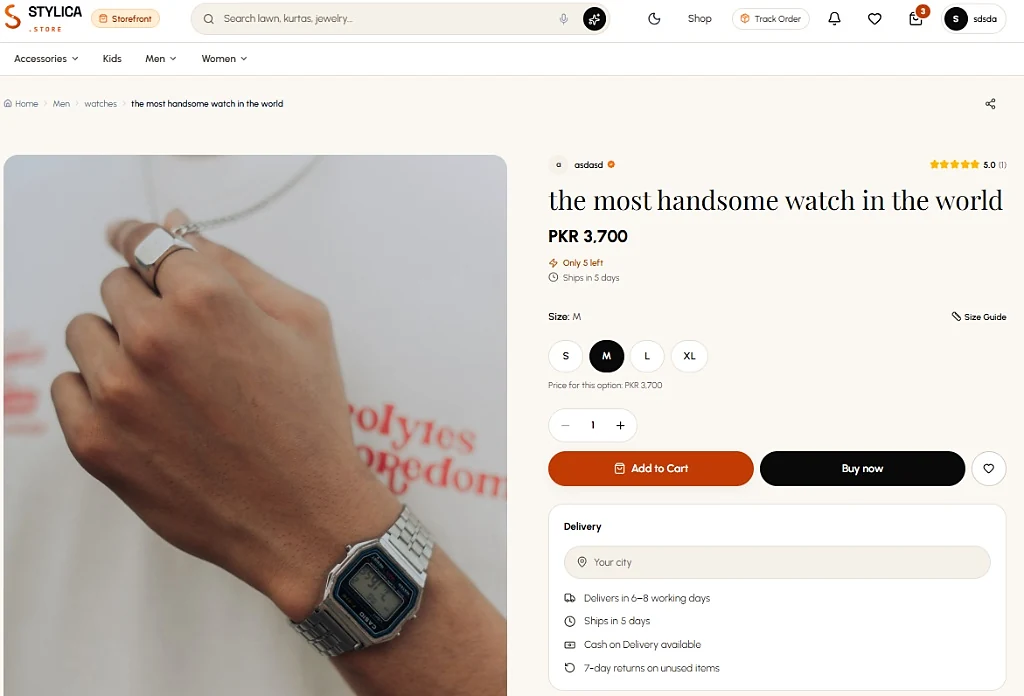
A product page has one job: remove doubt. The pages that convert best in my stores all have the same ingredients:
- A unique description written for the buyer — fabric, fit, care, occasion — never the manufacturer’s copy pasted on fifty other sites.
- A descriptive title and URL with the words people search, e.g. “men’s white cotton kurta shalwar”.
- Sharp photos from several angles, compressed to WebP so they still load fast on mobile data.
- Delivery, returns and size information right next to the Add to cart button.
- A direct contact option — in Pakistan a WhatsApp order button alone can noticeably lift orders.
3. Technical SEO for stores
Store platforms create many duplicate URLs through filters, variants and tags. I keep them under control with canonical tags, a tidy sitemap, noindex on thin tag pages, and product structured data so prices and stock show in search results. Then I compress every image and remove apps that slow the theme down — page speed is a ranking factor and a conversion factor at the same time.
4. Content that sells: buying guides and internal links
Collections rank better when they are supported by helpful articles: “how to choose a winter suit size for kids”, “cotton vs. lawn for summer”. Each guide links to the matching collection and a few hero products, and each collection links back to its guide. It is the same cluster model I explain in my SEO and blogging playbook, applied to a shop.
5. Reach more customers in their own language
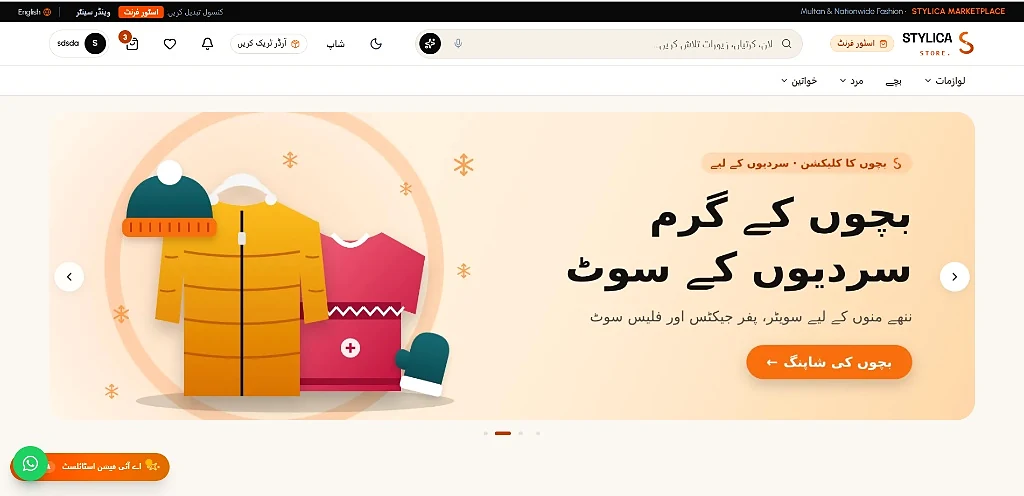
Stylica has a full Urdu, right-to-left version of the storefront. For a local audience that is not decoration — it makes the store feel trustworthy to customers who prefer to read in Urdu, and it opens a set of searches English-only competitors ignore.
6. Automate the busywork
On multi-channel stores, most lost sales come from operations: an item sold out on eBay but still live on Shopify, a price changed in one place and not another. I set up inventory sync, order notifications and price rules so the seller spends their time on products and customers instead of spreadsheets.
How I measure whether it worked
Every change gets measured against a baseline, otherwise it is just an opinion. Before touching a store I note organic traffic from Search Console, conversion rate and average order value from the store analytics, and page speed for the home, collection and product templates. After four to eight weeks I compare the same numbers. The changes that move them stay; the ones that do not get rolled back or improved.
A quick store SEO checklist
- Collections named the way customers search, each with a short, unique intro.
- Unique product titles, descriptions and alt text — no copied supplier text.
- Clean URLs, canonical tags and a sitemap submitted in Search Console.
- Product structured data (price, availability, reviews where real).
- WebP images, lazy loading and as few apps as possible on the theme.
- Buying guides that link to collections, and collections that link back.
- Delivery, returns and contact details visible on every product page.
Selling online — or ready to?
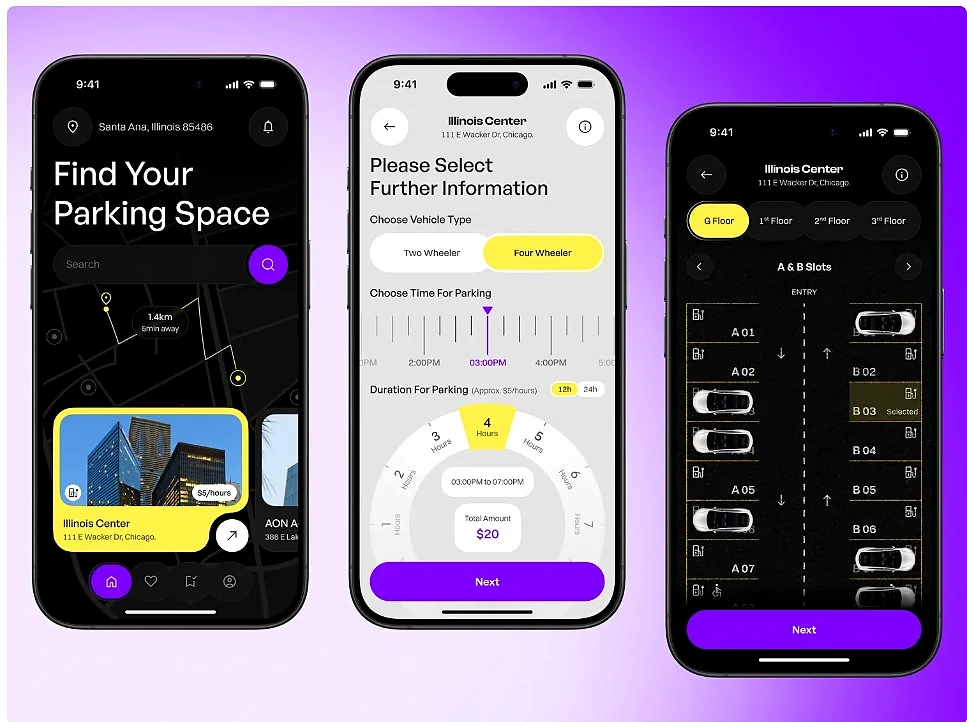
A store also benefits from a great mobile experience; I explain how I ship one with a single codebase in Ionic and Capacitor for web and mobile. See the Stylica case study, check my experience, or contact me for store setup, SEO and automation.

Written by
MERN stack and hybrid mobile developer from Multan. 4+ years building dashboards, SaaS platforms, e-commerce and real-time apps for clients in Pakistan, the USA, the UK, Germany and Libya. Founder of ToolMany.com, where he also writes the SEO guides.